
Sitting in a Brisbane club on a humid arvo, watching a slow stack shrink while the river card never comes, teaches you something spreadsheets never will. Poker is a game of patience and variance, and the money you bring to the felt is the one thing you control before the first card flips. casino bankroll advice for poker players is not about chasing losses or pretending luck can be engineered; it is about setting boundaries that let you stay at the table long enough to let skill do its work. The difference between a session that ends in a quiet walk to the car and one that leaves you staring at a screen at midnight often comes down to how you treat your own funds.
What bankroll management actually means at the table
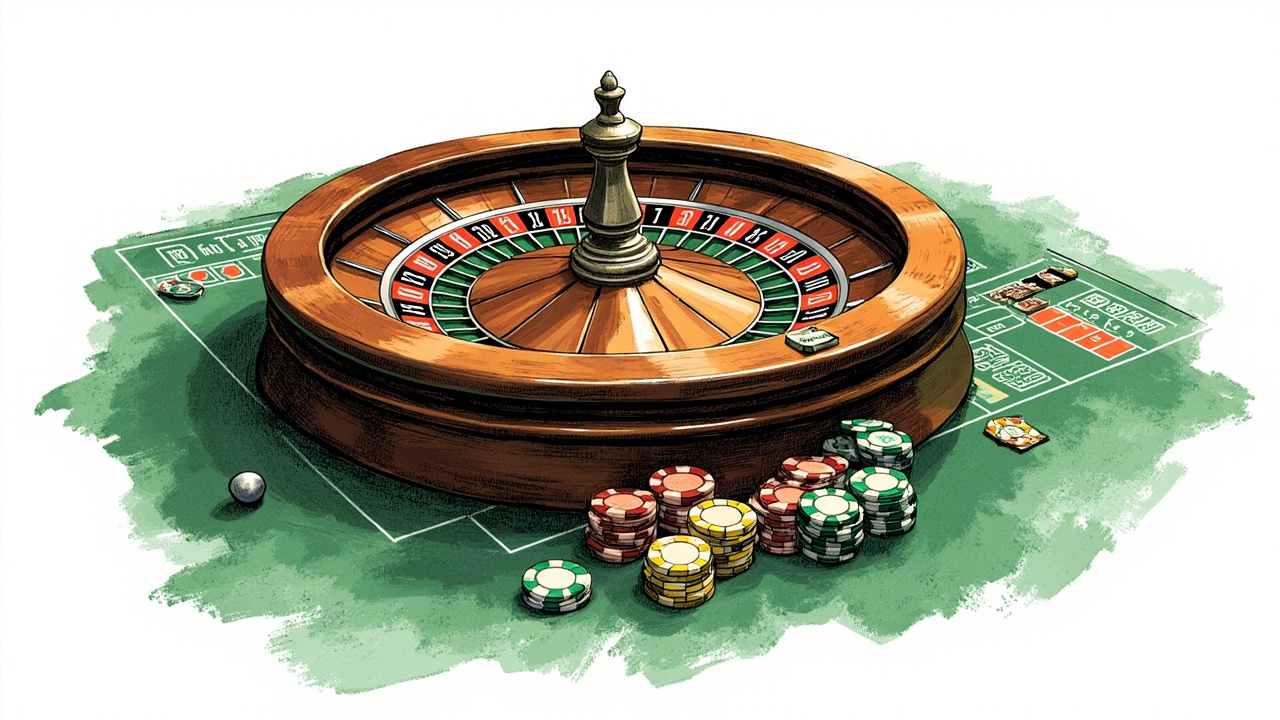
Good casino bankroll advice for poker players starts with a clear separation between money you can afford to lose and money you need for rent, groceries, or the next electricity bill. In Queensland clubs and home games alike, the temptation is to treat a Tuesday night session as a side hustle rather than a paid entertainment expense. Players who last are the ones who decide their session limit before they shuffle in, not after a bad beat on the turn. That limit should sit comfortably outside your everyday expenses, sized so a rough run of cards does not force you to reload with money you cannot spare.
A practical starting point is to think in terms of buy-ins rather than dollar signs. If you are playing no-limit hold’em at a local venue or an online room accessible from Brisbane, a common rule of thumb is to hold enough buy-ins to absorb a downswing without panicking. That might mean twenty to fifty buy-ins depending on the stakes and the format, with cash games demanding a deeper cushion than short-deck tournaments. The exact figure matters less than the discipline of sticking to it when the cards turn cold.
Amelia Cooper, Product Analytics Lead, Kangaroo Point Analytics, has watched how players behave when their funds dip into uncomfortable territory. “What we see repeatedly is that players who set a hard session cap before logging in are far less likely to chase a bad run,” Cooper said. “The moment a bankroll gets treated as a recovery tool rather than a playing budget, the maths stops working in your favour.”
The same logic applies to contribution rates and bonus mechanics if you are playing through a platform that offers promotional credits. Some rooms contribute only a fraction of bonus money toward wagering requirements, while others apply stricter limits on which games count. casino bankroll advice for poker players has to account for those fine print details, because a promotion that looks generous on the surface can quietly shrink your effective cushion if the contribution rate is low. You should read the offer structure carefully, check eligibility windows, and understand whether recurring promos reset your progress or stack on top of what you already have.
How to size your stakes and protect your session
Choosing stakes that match your bankroll
Picking the right stake is the single most practical piece of casino bankroll advice for poker players, and it is also the one most often ignored in the heat of a good run. A healthy bankroll should let you move down in stakes when variance bites, not force you to move up just to feel like you are making progress. If a downswing wipes out a meaningful chunk of your funds, stepping down to a lower level is not a defeat; it is a way to keep playing without dipping into money meant for other things.
Regional realities matter here too. A player in a Brisbane outer suburb might be driving forty minutes to a club, which changes the calculus around session length and stake size. When distance to a physical venue is part of the equation, you are less likely to treat a single bad session as disposable, because the trip itself has already cost you time and fuel. That is not a reason to play tighter for the wrong reasons, but it is a reminder that your bankroll should reflect the full cost of showing up, not just the chips in front of you.
Finn Davies, Lead Gaming Analyst, Sunburnt Country Interactive, reckons many players overestimate how quickly they can recover a shortfall. “The mistake I see most often is players pushing into higher stakes to make back what they lost in a single session,” Davies said. “That is the fastest way to turn a rough patch into a proper problem, because the variance at higher levels punishes the same mistakes much harder.”
Reading promotions without letting them shape your play
Promotions and recurring offers can add a useful edge, but they should never dictate your stake selection or session length. A welcome bonus or ongoing promotion might look attractive, yet the wagering requirements, game contribution rates, and eligibility caps can quietly change what the offer is actually worth. casino bankroll advice for poker players has to factor in those mechanics before you treat a promotion as part of your playing budget.
If a room offers a bonus that contributes only partially toward wagering, or restricts certain poker variants, your effective cushion is smaller than the headline figure suggests. The same goes for recurring promos that reset progress or impose weekly limits. A sensible approach is to treat any promotional credit as a bonus on top of your real bankroll, not a substitute for it. That way, the offer can soften a rough session without becoming the reason you are playing beyond your means.

For players comparing timing and transfer speeds, it helps to compare timing against notes on Brisbane player forums, where slow payouts get flagged fast. That kind of local feedback is worth weighing alongside the formal offer terms, because a promotion that looks generous in writing can feel very different when you are waiting on a withdrawal after a long session. Details on how platforms handle compliance and player protection can also be worth a look on gaming regulation coverage, especially if you are trying to understand how a room structures its terms around eligibility and contribution limits.
Linking bankroll discipline to how you actually play
The point of casino bankroll advice for poker players is not to turn poker into a spreadsheet exercise. It is to make sure your funds support the way you want to play, rather than forcing you to play the way your funds are running out. When your bankroll is sized correctly, you can make decisions based on the cards and the table, not on how desperate you are to recover a shortfall. That shift in mindset is what separates a session you can walk away from from one that keeps pulling at you long after the lights come on.
In practice, that means checking your limits before you sit down, moving down when a downswing stretches too long, and treating any promotional credit as a bonus rather than a lifeline. It also means being honest about the difference between a bad run and a bankroll that was never big enough for the stakes you chose. Players who respect that distinction tend to stay in the game longer, and more importantly, they stay in it on their own terms.
When you approach sessions with that mindset, you protect yourself from chasing losses that were inevitable from the start. For players looking to understand the mechanics behind volatility and potential payouts, resources like https://olympus-1000-max-win-au.com/ can provide extra context. Ultimately, maintaining discipline ensures that entertainment remains the priority, regardless of the outcome.
The right approach is the one that lets you play poker without turning your funds into a source of stress. If your bankroll is built around what you can comfortably afford to lose, and your stakes are set to match that reality, you give yourself room to let the game breathe. That is the kind of discipline that holds up whether you are at a Brisbane club table or logging in from a couch after work.
A sensible bankroll is one you can live with losing, and a sensible stake is one that does not make you sweat the river card. Keep those two things aligned, and the rest of the game becomes a lot easier to play properly.